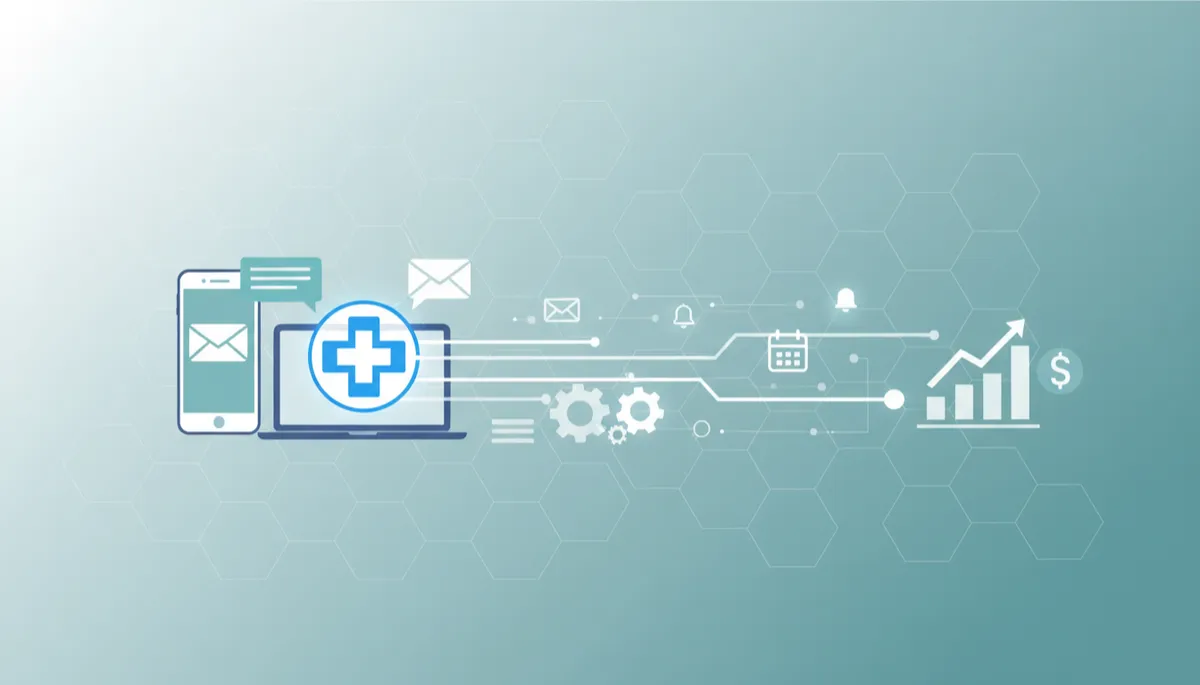
Reduce No-Shows with Healthcare Appointment Reminders
Healthcare, Patient Communication, Appointment Reminders
Healthcare Appointment Reminders: Eliminate No-Shows and Keep Your Schedule Full
For healthcare providers, every empty chair represents lost revenue, wasted staff time, and missed opportunities for better patient outcomes. Strategic appointment reminder systems give practices, groups, and agencies a proven way to slash no-shows and keep calendars consistently full.
The True Cost of No-Shows for Healthcare Providers
No-shows are more than an annoyance; they are a structural drain on profitability and care quality. Industry research shows no-show rates in healthcare can range from 5% to 30%, with an average loss of about $200 per missed appointment in direct revenue alone (Healthcare Finance News). Multiply that across a busy clinic or multi-location group, and the annual impact quickly climbs into six or seven figures.
Beyond the immediate revenue hit, providers pay in:
Idle clinical time – physicians, hygienists, and technicians standing by with no patient in the chair.
Operational inefficiency – front-desk staff scrambling to fill last-minute gaps or manage manual outreach.
Delayed care – patients waiting longer for appointments while existing slots go unused.
Studies consistently show that implementing structured reminder systems and engagement strategies can significantly reduce no-show rates and stabilize revenue (NCBI, Physicians Practice). For agencies serving healthcare clients, this is a clear, measurable lever for ROI.
High-Performing SMS and Email Reminder Sequences
In 2026, SMS has become the dominant reminder channel. Surveys show 93% of patients opt in to receive texts, and 84% say they are more likely to attend when reminded by SMS (Sinch). Text messages achieve 97–99% contact rates and are typically read within minutes, while phone calls go unanswered and email gets buried in crowded inboxes (SendHub).
For best results, build a multi-touch sequence that blends SMS and email:
Instant confirmation (SMS + email) when the appointment is booked, including date, time, location, and simple options to add to calendar or manage the visit.
48-hour reminder via SMS with a clear prompt to confirm or reschedule, supported by a more detailed email (directions, prep instructions, FAQs).
Same-day nudge 2–4 hours before the visit, delivered by SMS only, focused on logistics: arrival time, parking, and any last-minute prep.
Research shows that this three-step SMS cadence dramatically reduces missed appointments (SMSRoute). When combined with two-way functionality—“Reply C to confirm, R to reschedule”—it also lightens the load on front-desk teams and gives patients frictionless control over their bookings.
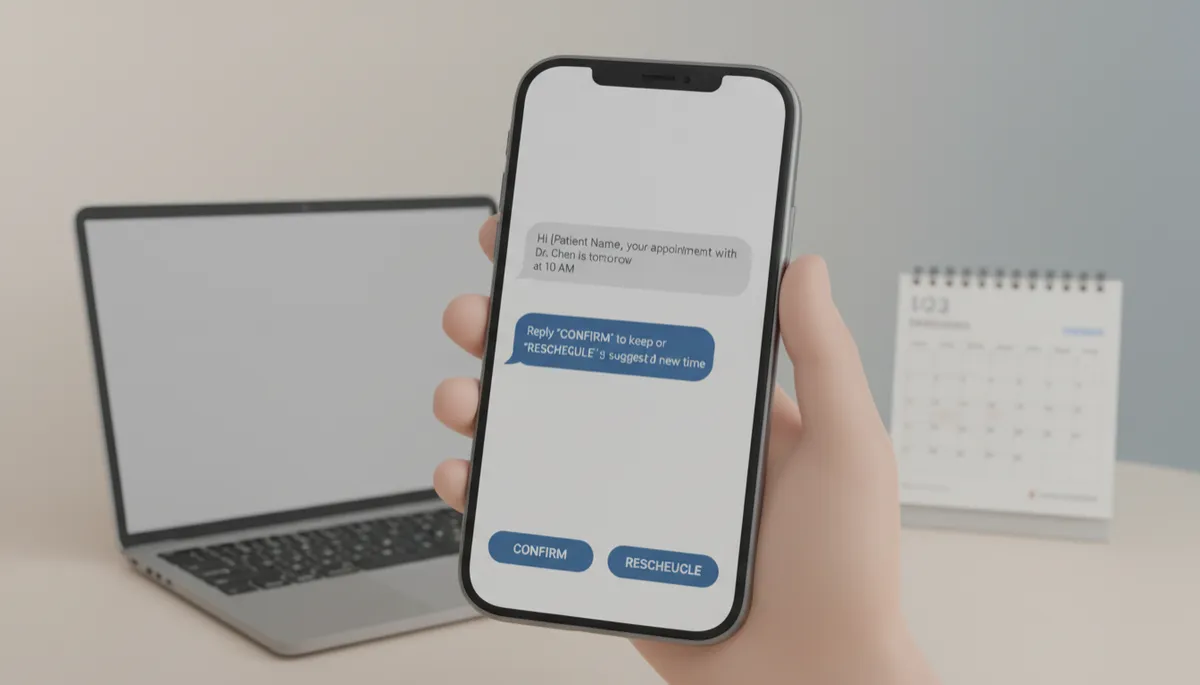
Two-way SMS reminders cut no-shows while reducing inbound call volume for staff.
Automated Patient Communication That Scales With Your Practice
For multi-location practices and the agencies that support them, manual outreach simply does not scale. The future of patient communication is automated, multi-channel, and data-driven.
Modern platforms integrate with EHR and practice management systems to trigger:
Appointment confirmations, reminders, and follow-ups via SMS, email, and automated voice (IVR).
Pre-visit instructions, digital forms, and telehealth links tailored to visit type.
Post-visit education, satisfaction surveys, and care-plan nudges to improve adherence.
AI-powered chatbots, patient portals, and mobile apps now handle routine questions, rescheduling, and prescription reminders around the clock (Healthcare IT News, Forbes). For high-risk patients, pairing SMS with automated calls has been shown to further reduce no-shows and increase completion rates (NEJM Catalyst / Penn Medicine).
💡 Pro Tip for Agencies: Lead with compliance. Ensure every workflow respects HIPAA and TCPA guidelines—no PHI in texts, clear opt-in, and registered messaging campaigns.
Turn One-Time Visits Into Lifetime Value With Recall Campaigns
Eliminating no-shows keeps today’s schedule full. Recall campaigns keep tomorrow’s schedule full. Instead of relying on patients to remember their next cleaning, follow-up, or annual exam, smart practices automate outreach based on clinical timelines and past behavior.
Time-based recalls: Trigger SMS and email when patients are due (or overdue) for routine care—dentistry, vision, primary care, women’s health, and more.
Behavior-based recalls: Use messaging that references prior missed appointments or lapsed care, which many patients actually prefer (JMIR 2026).
Multi-channel drips: A short series of texts and emails over several weeks, offering easy online booking and flexible times.
For agencies, recall automation is a powerful retention play: it directly boosts recurring revenue for clients, increases lifetime value per patient, and provides clear reporting on booked appointments generated by your campaigns.
Ready to Reduce No-Shows? Get a Free Business Audit
Whether you’re a single practice, a multi-location group, or an agency managing dozens of healthcare clients, the opportunity is clear: smarter appointment reminders and automated communication can reclaim thousands in lost revenue every month while improving patient experience.
Our team will analyze your current systems, no-show trends, and communication workflows to uncover quick wins and long-term opportunities. From SMS and email sequences to recall campaigns and compliance, you’ll receive a practical roadmap tailored to your organization or client base.
Call to Action: Schedule your Free Business Audit today and discover how a modern appointment reminder strategy can eliminate no-shows, keep your schedule full, and turn patient communication into a reliable growth engine.
